SHAP & Fair-Lending: Turning explainability into exam-ready evidence
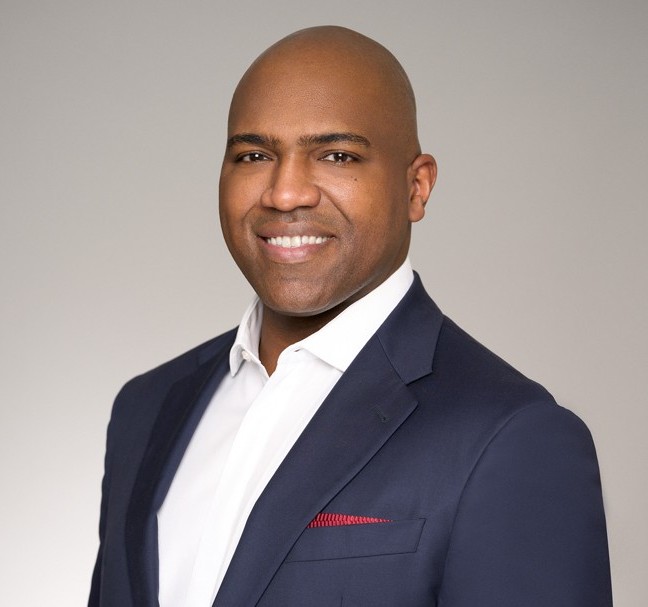
Feb. 20, 2026 · 12:00–1:15 p.m. CT · Hosted by Terrence A. Thomas
Many banks are adopting SHAP and similar methods to understand how AI-driven models make decisions. But examiners and legal teams need more than charts, they need a coherent, documented story about how explainability is used in fair-lending and credit decisions.
This Cicrim webinar focuses on the practical connection between SHAP outputs, fair-lending testing, adverse action and ongoing monitoring. We’ll walk through real-world patterns we see in community and regional banks, and how to translate technical diagnostics into exam-ready evidence.
Learning objectives
- Relate SHAP values to fair-lending risk: See how SHAP values connect features, outcomes and protected classes.
- Use explainability for testing and monitoring: Learn how to design fair-lending tests and monitoring routines powered by explainability output.
- Connect to customer communications: Understand how SHAP insights can support adverse action reasons and customer-facing explanations.
- Clarify regulatory expectations: Discuss what regulators and auditors expect to see in documentation, model files and governance materials.
Agenda
- 12:00–12:10 Framing the regulatory landscape
- 12:10–12:35 SHAP basics in a banking context
- 12:35–12:55 Case study: Fair-lending review using SHAP
- 12:55–1:10 Documentation, evidence & exam readiness
- 1:10–1:15 Live Q&A
Speakers
- Terrence A. Thomas, Founder & CEO, Cicrim Consulting – former bank CIO and risk leader with hands-on experience implementing AI-enabled lending, governance and compliance frameworks in regulated environments.
- Cicrim AI & Data Science Lead – designs and validates explainable ML models for credit, pricing and marketing, with a focus on SHAP-based diagnostics and model monitoring.
- Cicrim Compliance Advisor – advises banks on aligning AI use with ECOA, FHA, CRA and UDAP expectations, including governance and documentation for fair-lending exams.