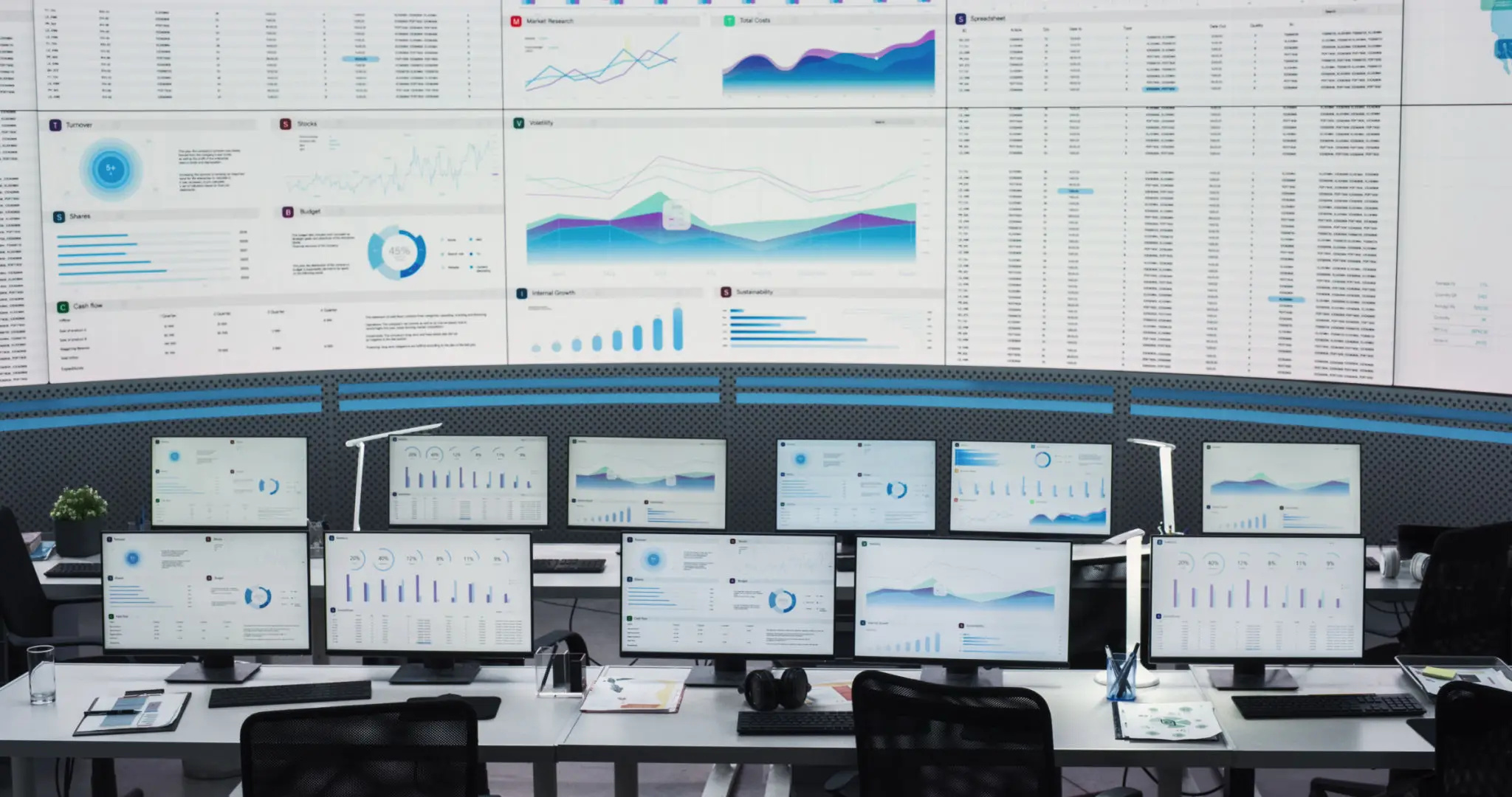
Useful observability connects technical telemetry to client journeys, transactions, data, controls, vendor services, operating queues, and accountable response.
Executive summary
A wealth platform can report that applications are online while market data is stale, positions are incomplete, interfaces are delayed, documents fail, advisor queues grow, client sessions abandon, restrictions do not propagate, or reconciliations remain open. Infrastructure health alone cannot show whether the bank is delivering the intended service.
An observable operating model starts with critical client and business journeys, then connects logs, metrics, traces, events, data quality, job status, interface performance, model signals, workflow queues, control results, and vendor conditions to thresholds, ownership, runbooks, incidents, and service measures.
Define service-level indicators
Measure the client and operating conditions that show whether onboarding, portfolio views, transactions, advice, documents, reporting, service requests, and supervisory workflows are usable and complete.
Instrument dependencies end to end
Trace identity, application, API, event, batch, file, database, vendor, market data, model, workflow, document, communication, and downstream reporting dependencies.
Make alerts actionable
Each alert needs context, severity, affected service and population, owner, diagnostic path, containment or workaround, escalation, evidence, and closure criteria. Suppress noise without hiding material degradation.
Learn from incidents and near misses
Connect technical events to client and operating impact, timeline, decisions, data integrity, controls, vendor actions, root cause, remediation, testing, and recurrence monitoring.
Signals to include in the operating view
- Journey completion, latency, abandonment, and error distribution
- Interface, job, queue, reconciliation, and data-quality health
- Identity, access, security, model, and control events
- Vendor service, incident, change, and recovery conditions
- Client impact, operational backlog, workaround, and remediation status
From guidance to operating capability
Observability creates value when it shortens the path from changing condition to informed action. Dashboards without ownership, thresholds, runbooks, and business context merely make failure more visible.
Cicrim helps wealth programs design service indicators, telemetry, monitoring, alerting, incident response, reconciliation, vendor observability, resilience, and executive reporting.