Continuous monitoring that examiners trust
Updated Jan. 30, 2026 · By Terrence A. Thomas
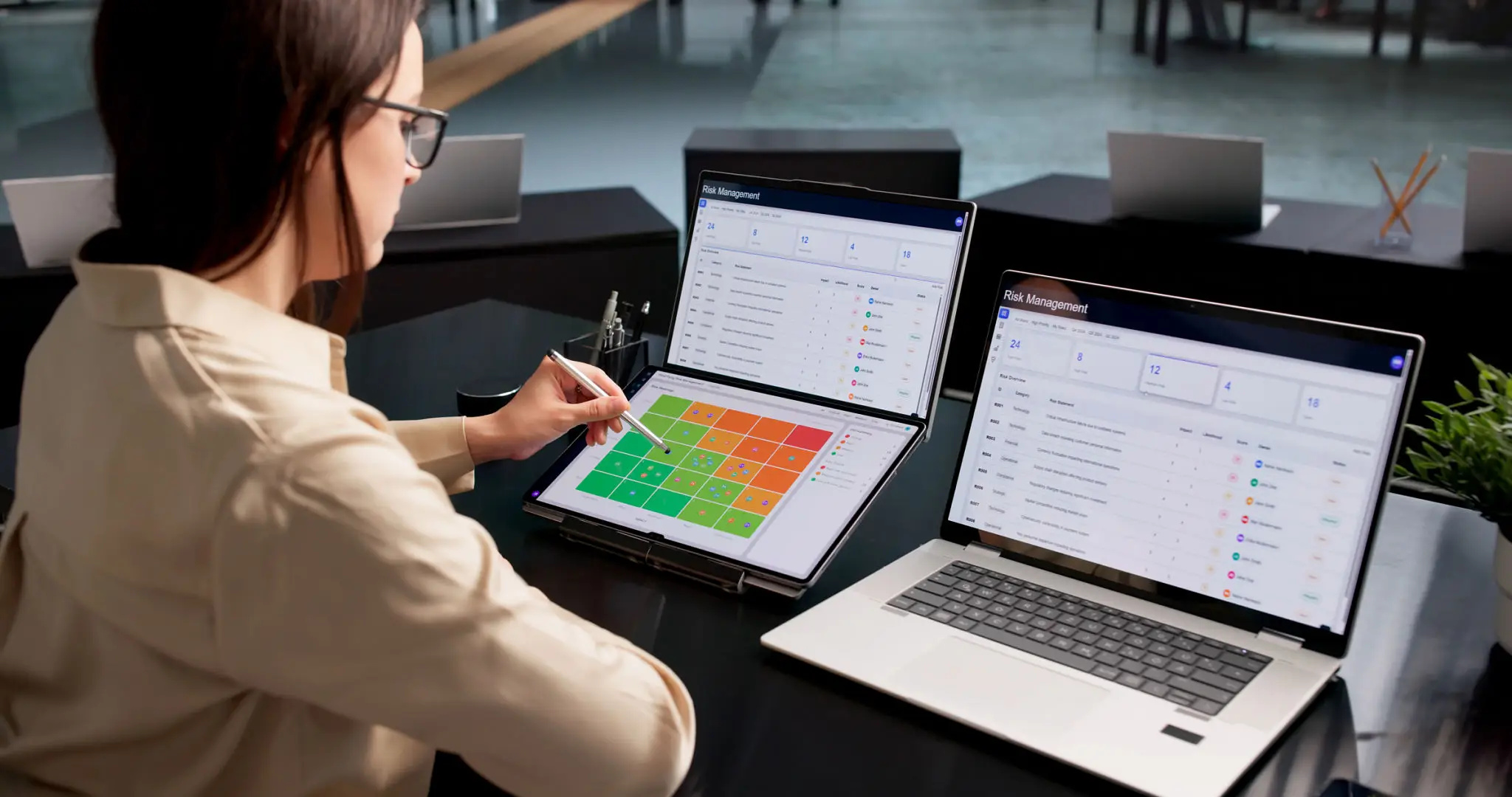
Examiners don’t just want policies, they want evidence. The fastest way to build credibility is to operate a monitoring program that is continuous, traceable, and repeatable, producing the same artifacts every month: Control test results, exception aging, third-party tracking, model changes, access review completion, and remediation proof.
Cicrim builds continuous monitoring programs that fit community and regional bank realities: Lean teams, vendor-heavy stacks, and evolving regulatory focus. You get a pragmatic operating cadence, clear KRIs/KPIs, automated evidence capture, and board-ready reporting, without creating a spreadsheet factory.
What examiner-trustworthy monitoring looks like
Monitoring only earns trust when your what we test matches your stated frameworks and risk appetite. Cicrim helps you align a practical control library to the frameworks your regulators and auditors already recognize, and we keep it right-sized for your bank.
- What we deliver: A normalized control library with ownership, frequency, evidence type, and pass/fail criteria.
- Exam-ready output: A crosswalk showing how each control supports your chosen framework(s) and internal policy.
Green dashboards don’t impress examiners. What does: KRIs that tie to material risks, have defined thresholds, and create predictable escalation. We design KRIs that stay stable quarter-to-quarter, with changes tracked and approved.
- Examples: Privileged access exceptions aging, MFA coverage, patch SLA adherence, failed backup restore tests, vendor evidence delinquency, model change volume, and high-risk findings past due.
- Governance: Thresholds, owners, escalation path, and documentation of why each KRI matters.
The difference between a claimed control and proof is usually evidence hygiene. Cicrim implements evidence capture that’s timestamped, attributable, and organized the way examiners and auditors expect.
- Where it shows up: Access reviews, vulnerability and patch reporting, endpoint coverage, backup testing, change management, and ticket-based remediation.
- Outcome: Repeatable monthly evidence packs with minimal manual assembly.
Examiners look for two things: How fast issues are found, and whether they are consistently fixed. We implement an exception workflow that makes stagnation visible and remediation provable.
- Workflow: Severity, owner, due date, compensating controls, and evidence of completion.
- Reporting: Aging by severity and business owner, repeat findings, and time to remediate trends.
Vendor oversight breaks when reviews are annual-only and evidence arrives late. Cicrim adds continuous signals: SLA adherence, incident notifications, SOC report tracking, contract obligations, and critical vendor concentration risk.
- What we track: Required evidence, renewal dates, open issues, cybersecurity attestations, and fourth-party dependencies for critical services.
- Exam-ready output: A living inventory with risk ratings and current status.
If you use models, vendor or in-house, you need evidence of ongoing stability. Cicrim sets up practical model monitoring that supports model risk expectations: Drift signals, performance checks, change tracking, and human override patterns.
- What we monitor: Input drift, approval/decline distribution shifts, exception and override rates, policy rule changes, and data lineage changes.
- Outcome: A model change log and monitoring cadence that stands up in review.
What your bank gets in 30–60 days
We establish a simple cadence: Weekly exception triage, monthly monitoring packs, quarterly trend reporting, and a board/audit committee view that stays consistent.
- Includes: Owners, schedules, RACI, and escalation triggers.
Your monthly pack includes KRI summaries, exception aging, completed tests, remediation status, and notable changes, with short, clear narratives that auditors and examiners can follow quickly.
- Goal: Reduce scramble time and improve consistency across cycles.
Most banks already own part of the stack across ticketing, IAM, endpoint tooling, SIEM/MDR, vulnerability scanning and GRC. We connect and normalize outputs first, then recommend minimal add-ons where necessary.
- Outcome: Fewer duplicate reports, clearer ownership, cleaner evidence trails.
Continuous monitoring is the starting line. We translate trends into targeted remediation and investment decisions: Which controls to strengthen, which vendors to revisit, and which processes are creating repeat findings.
- Includes: Prioritized recommendations, effort sizing, and quick wins.
If your last exam or audit created last-minute evidence requests, repeat findings, or unclear ownership, we can help you move to a monitoring program that is steady, defensible, and easy to explain.